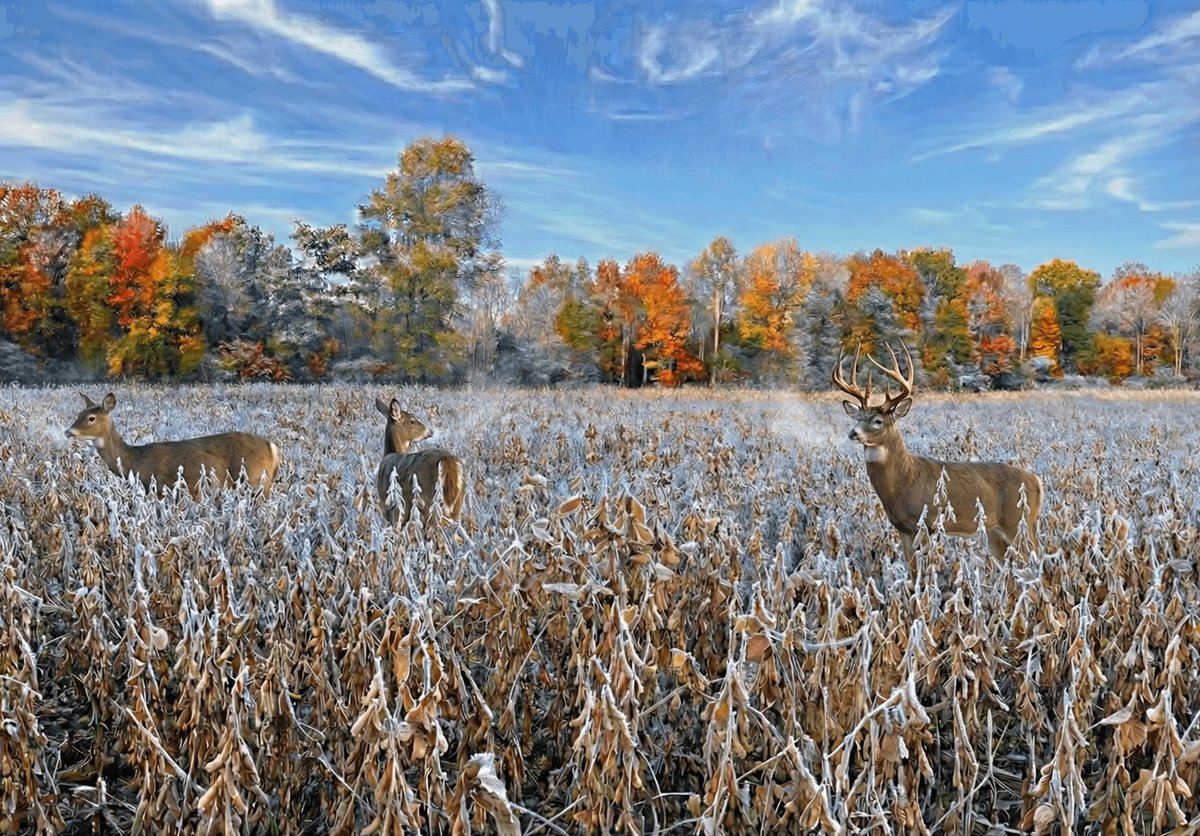
 Field
Field 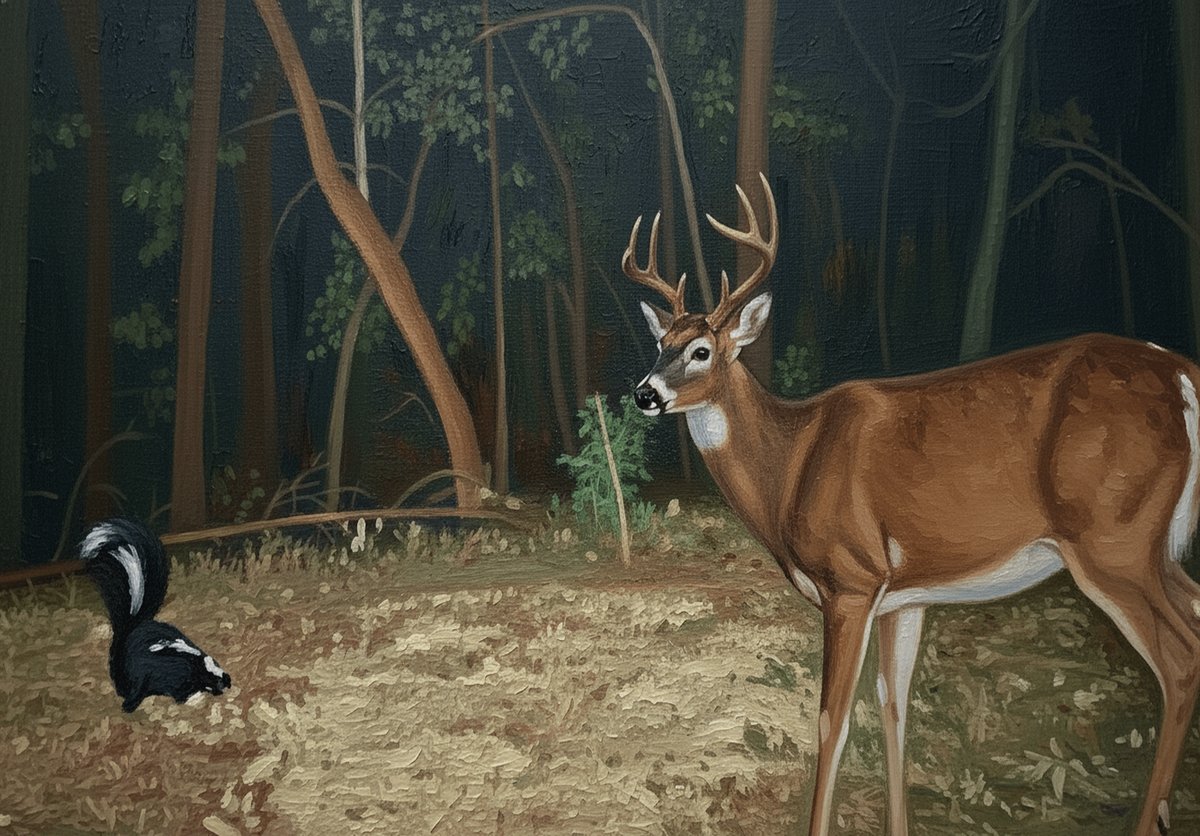
Understanding the Pre-Rut: Timing is Everything
Pre-rut deer hunting is a game of timing. As October rolls around in the Carolina Piedmont, the days get shorter, and whitetails begin their dance. Bucks are on the move, but the frenzy of the rut hasn’t quite kicked in. This is your golden window. The pre-rut is when bucks start establishing dominance, sparring with rivals, and making their presence known with scrapes and rubs. If you’re not tuned into this period, you’re missing out on some of the best whitetail hunting of the year.
Understanding the subtle shifts in behavior during the pre-rut can make a world of difference. Bucks are more predictable, and with the right strategy, you can intercept them as they transition from their summer patterns into more erratic pre-rut routines. Spotting these changes requires a keen eye and a solid understanding of the terrain. Whether you're hunting the rolling hardwoods or the thick creek bottoms, knowing when and where the bucks are active is crucial.
Scouting Strategies: Boots on the Ground
Scouting is the backbone of successful pre-rut deer hunting. It's not enough to rely on trail cameras alone. While they provide valuable intel, nothing beats boots on the ground. Walk those trails, check for fresh scrapes, and pay attention to rub lines. The pre-rut is when bucks start opening up old scrapes or creating new ones. These are signposts, marking their territory and challenging other bucks.
Scouting also means understanding the food sources. During the pre-rut, acorns are king in the Southeast. Oaks dropping nuts are hotspots for both bucks and does. Knowing where these trees are and setting up nearby can put you in a prime position. But be cautious; the deer are still somewhat cautious and patternable, so avoid excessive intrusion into their core areas.
Stand Placement: Position is Power
Stand placement during the pre-rut can make or break your hunt. Bucks are on the move, but they’re not yet throwing caution to the wind. This is the time to capitalize on travel corridors. Think pinch points, saddles, and edges where hardwoods meet thickets. These are natural funnels that deer use as highways.
Consider wind direction and thermals when choosing your stand site. The last thing you want is to alert a mature buck to your presence. Remember, deer are creatures of habit, especially during this transition period. A well-placed stand can mean the difference between a fleeting glimpse and a shot opportunity.
Calling and Decoying: Subtle Success
When it comes to calling during the pre-rut, subtlety is key. Bucks are curious but not reckless. A few soft grunts or a light rattling sequence can spark interest without spooking them. Overcalling can be detrimental, so read the situation carefully.
Decoys can also be effective during this phase. A lone doe decoy might be just enough to draw a buck into range, especially if it’s placed near an active scrape line. Positioning is crucial; set your decoy where the wind won’t betray you, and your scent will remain undetected.
Weather and the Pre-Rut: Nature's Influence
Weather plays a pivotal role in pre-rut deer hunting. Cold fronts are your best friend during this time. As temperatures drop, deer activity increases, and bucks become more active during daylight hours. Keep an eye on the forecast and be ready to hunt when a front moves in. A sudden change in weather can trigger bucks to move, making them more visible and vulnerable.
Rain can also be a game-changer. Light rain can enhance your stealth, dampening your sound and scent. However, heavy rain might keep deer bedded down. Understanding how different weather patterns affect deer movement will allow you to plan your hunts more effectively during the pre-rut.
Reading Sign: Decoding the Deer Language
Reading deer sign is a skill every hunter should hone, especially during the pre-rut. Fresh scrapes and rubs are indicators of buck activity. A scrape is essentially a buck's calling card, used to communicate with other deer. Look for scrapes along field edges, trails, and near food sources. Rubs, on the other hand, are visual markers of a buck's presence and can indicate the size of the buck based on the height and thickness of the tree.
Pay attention to the frequency and freshness of these signs. A cluster of fresh scrapes is a promising indicator that a mature buck is actively using the area. These signs can guide you in adjusting your stand locations and strategies to increase your chances of a successful hunt.
Gear Check: Essentials for the Pre-Rut
Every seasoned hunter knows that gear can make or break a hunt. During the pre-rut, having the right tools at your disposal is essential. Here’s a quick checklist:
- Binoculars: Spotting bucks at a distance requires quality optics.
- Rangefinder: Accurate range estimation is crucial for ethical shots.
- Scent Control: Use scent-eliminating sprays and wear scent-blocking clothing.
- Calls: Grunt tubes and rattling antlers should be in your pack.
- Decoys: Lightweight and easy to set up, a decoy can be a game-changer.
Investing in reliable gear pays dividends when the moment of truth arrives. Remember, it’s not just about having the gear but knowing how and when to use it.
Capture the Moment: Adding Art to the Hunt
As you prepare for the pre-rut, consider how you capture these memories. At Field & Fen Art, we believe that every hunt tells a story worth preserving. One of our featured pieces, The Standoff, beautifully captures the tension and anticipation of a mature buck in the pre-rut. Available in sizes from 12×8 to 36×24, this museum-quality canvas print is perfect for any hunting lodge or home.
Whether you're a seasoned hunter or new to the world of whitetails, having a piece of art that reflects your passion for the outdoors can be a cherished reminder of your experiences in the field.
FAQs About Pre-Rut Deer Hunting
When is the pre-rut in my area?
The timing of the pre-rut can vary depending on your location. In the Southeast, it generally begins in early to mid-October, but it's crucial to monitor local deer activity and adjust your plans accordingly.
What calls work best during the pre-rut?
During the pre-rut, subtle calling works best. Soft grunts and light rattling can pique a buck's curiosity without scaring him off. The key is to mimic the natural sounds bucks make as they start to assert dominance.
How do I find the best stand locations?
Look for natural travel corridors and pinch points. These areas funnel deer movement, making them ideal for stand placement. Always consider wind direction to avoid alerting deer to your presence.
Ready to enhance your hunting experience with art that reflects your passion? Browse our full collection of whitetail deer prints and find the perfect piece to commemorate your hunts.